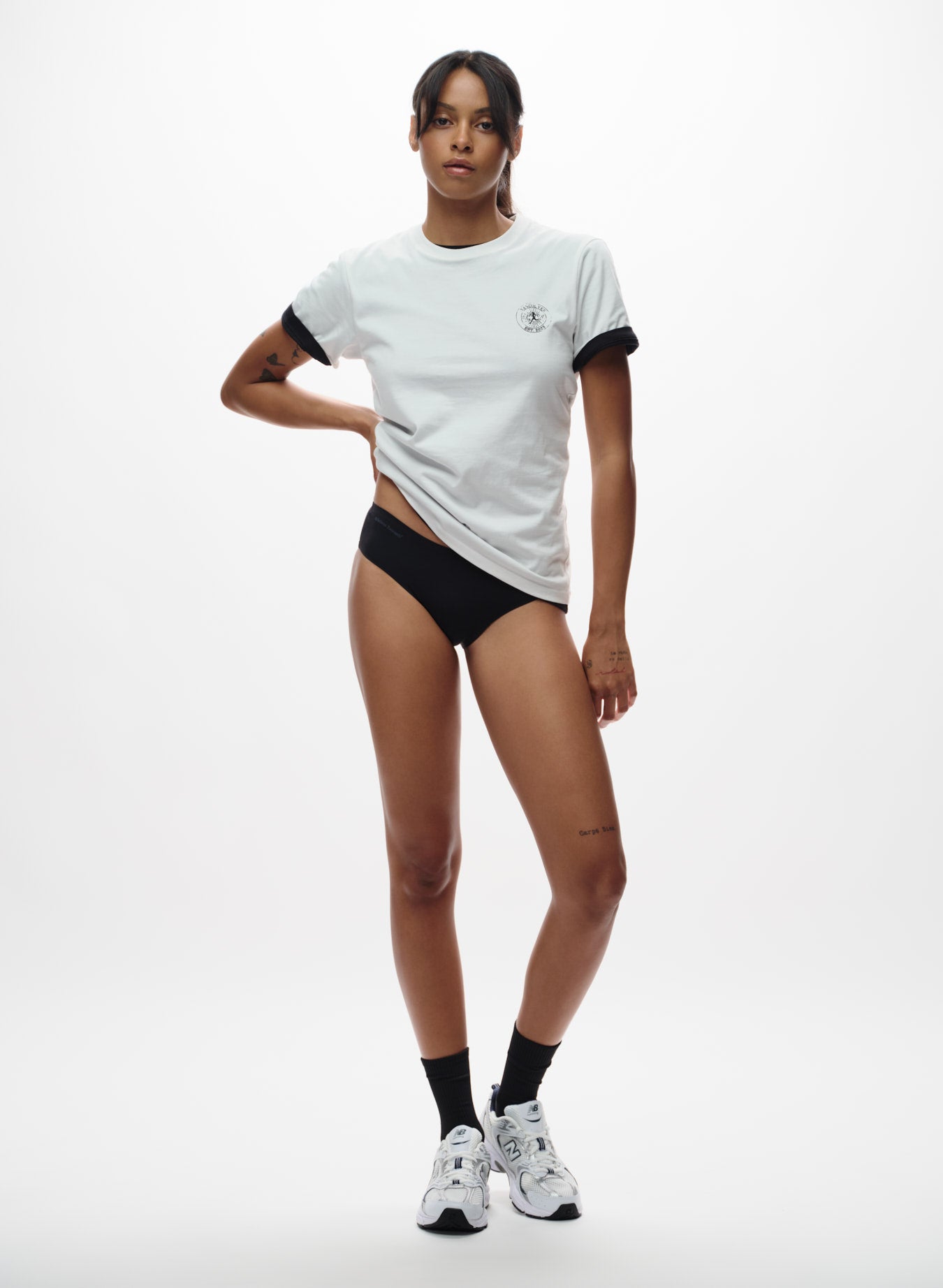
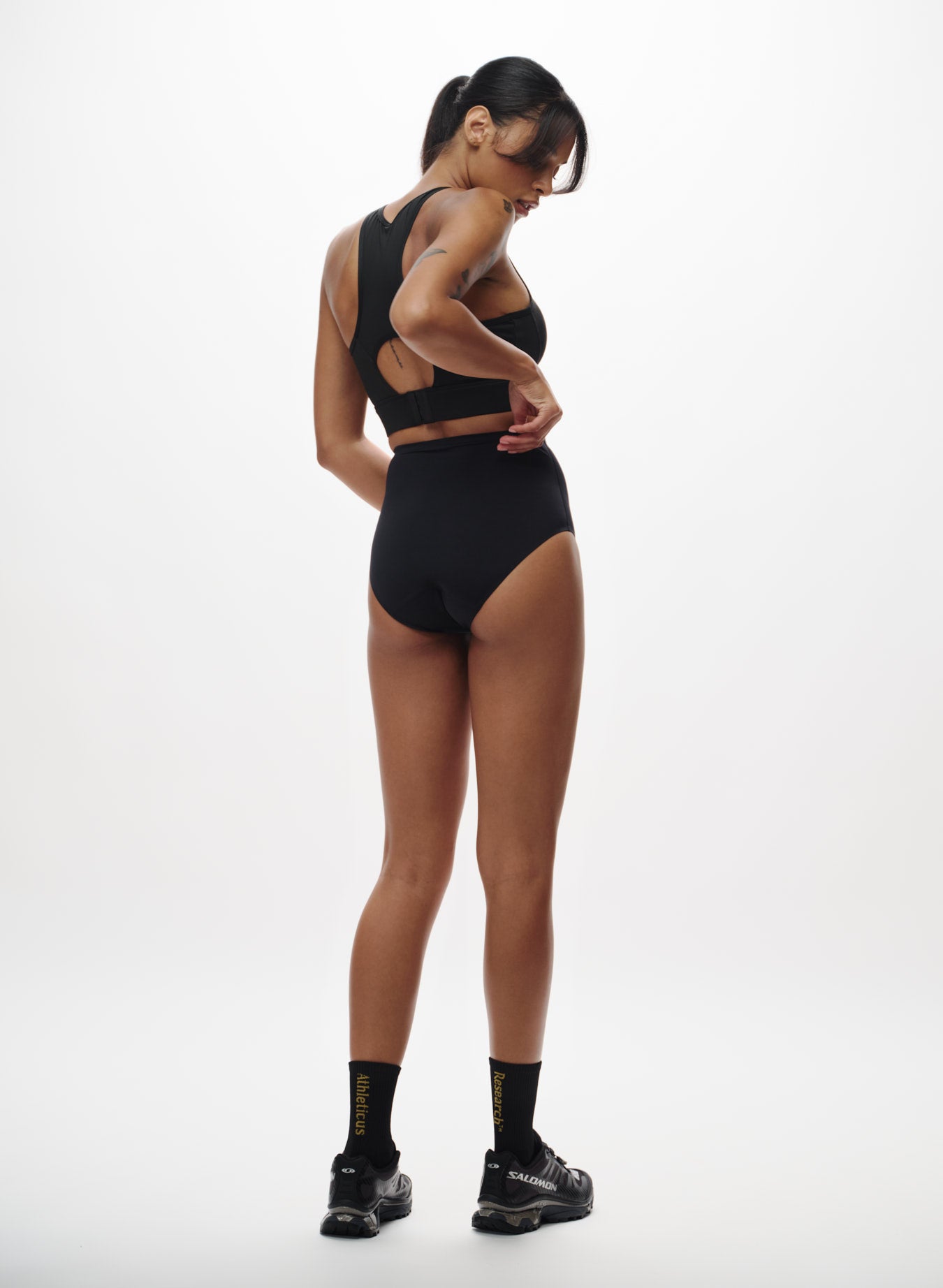
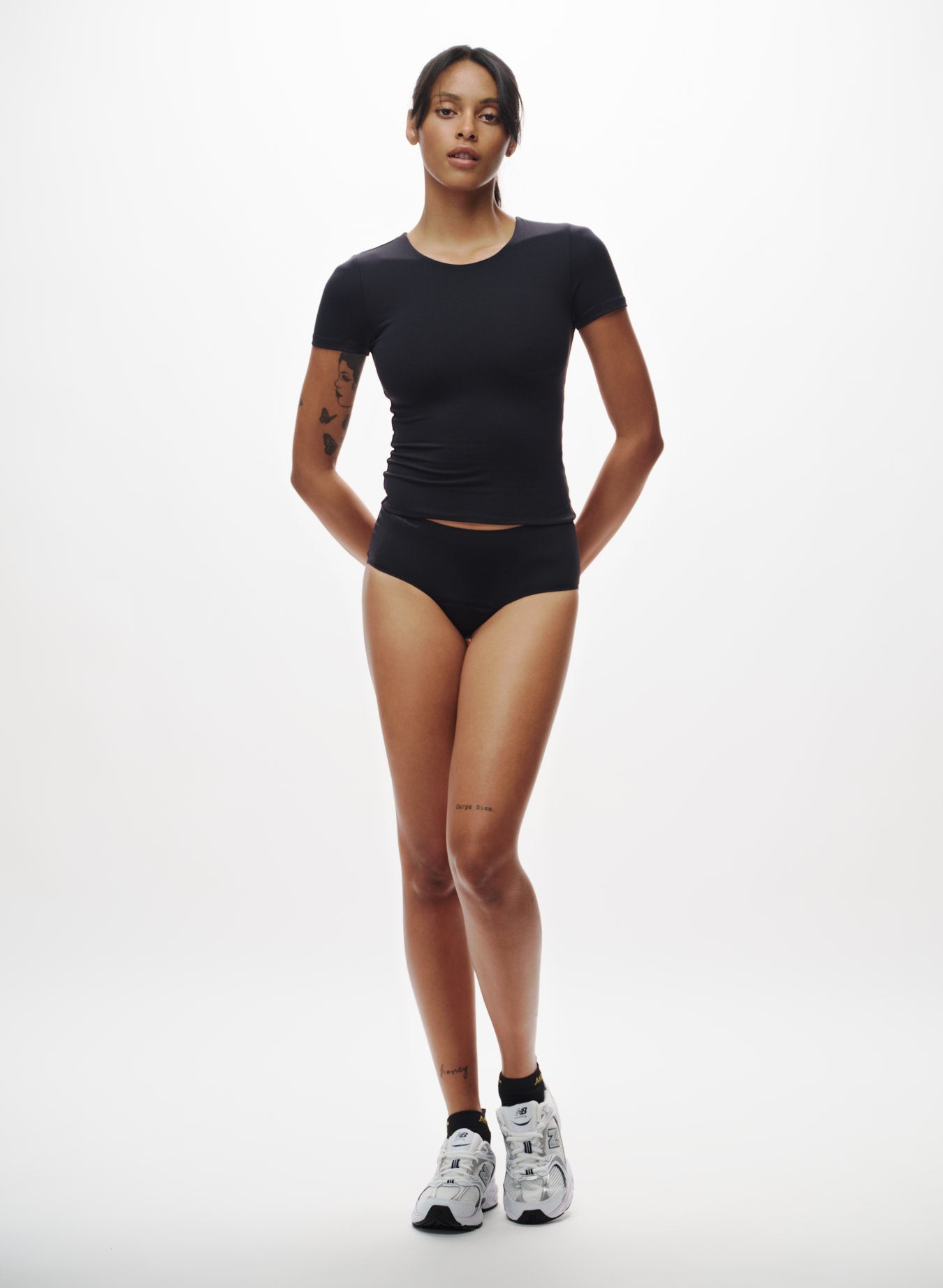
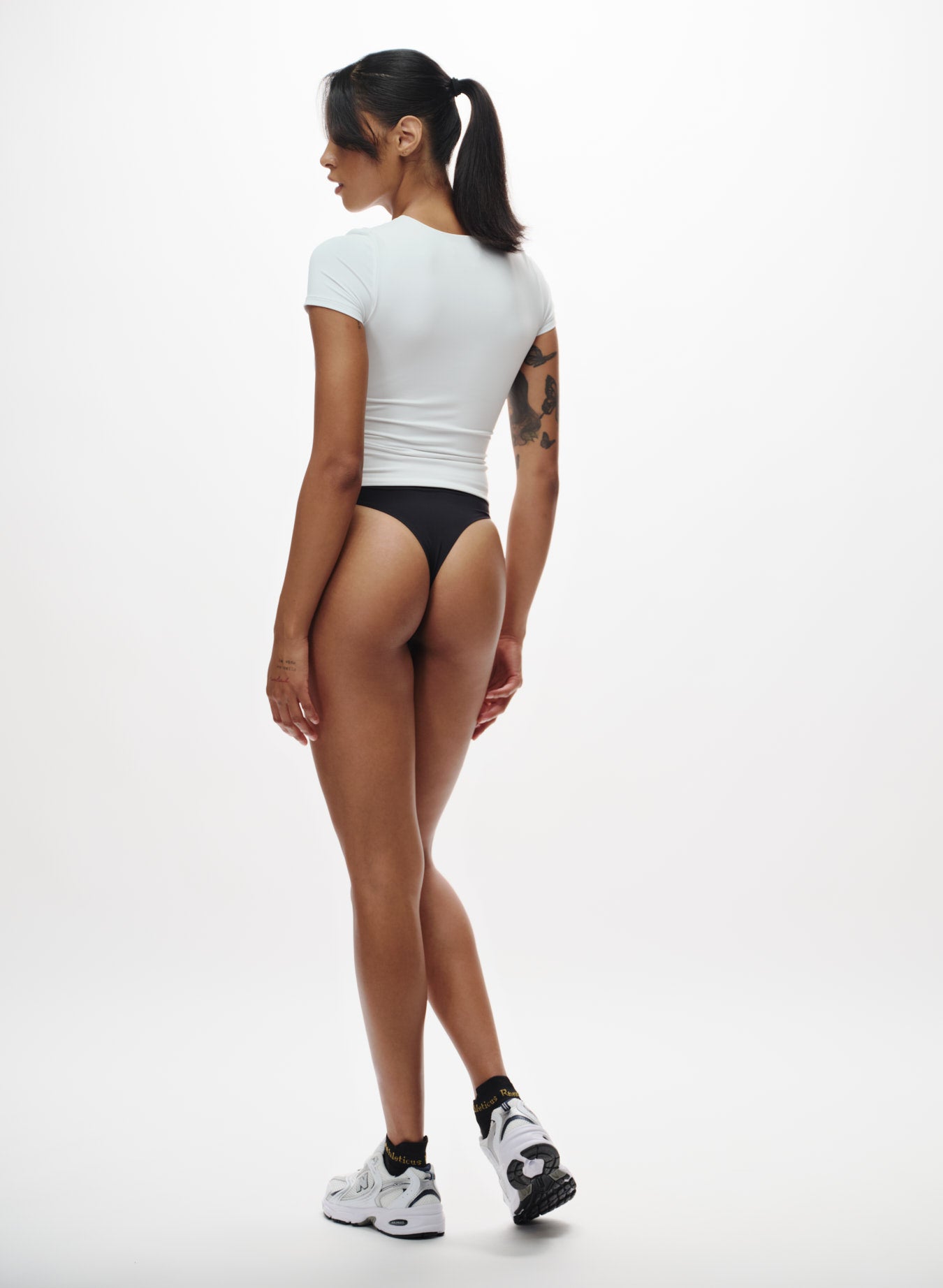
LARISSA FRANKLIN
CANADIAN OLYMPIC SOFTBALL PLAYER
Larissa Franklin is a Canadian national team softball athlete and a passionate advocate for empowering the next generation of female athletes. Through her experience in high-performance sport and her work with young players, she champions leadership, resilience, and creating a more supportive environment for girls in sport.


Q: You grew up playing both figure skating and softball. How did you find your way into softball at a competitive level?
A: Sports were a natural part of my life because my parents played sports growing up. They figure skated and played hockey, so I figure skated. They also played softball and baseball, so naturally, I played softball. Figure skating was actually my main sport. I trained seven days a week, while softball was something fun I got to do with my friends. I loved the team aspect, but I didn't initially plan to pursue it beyond high school. That changed around Grade 10 or 11, when I realized there were opportunities to play beyond high school and potentially earn a college scholarship. I stopped figure skating and focused on softball, taking advantage of opportunities like an open identification camp for Canada's junior national team. From there, I earned a spot on the junior national team and eventually the senior national team.
Q: How did your experience in figure skating shape the athlete you are today?
A: Both sports taught me different things. Softball taught me how to be a team player, empower others, and show up for my teammates, even when things are difficult. It also taught me that my teammates would be there for me when I wasn't feeling my best. Figure skating taught me discipline, focus, commitment, and punctuality. My Russian figure skating coach had high expectations, and those lessons have stayed with me throughout my career. My parents also had one rule: if I started a sport, I had to finish it. I'm grateful for that because the commitment I learned has carried into everything I do today. Looking back, everything I learned through sport has helped shape the person I am.
Q: When did menstrual health first become something you had to think about in sport?
A: I remember thinking about my period more when I was figure skating than when I was playing softball. In figure skating, you're wearing a leotard and you're on the ice. You can get off to use the washroom, but you worry that everyone will notice you leaving or wonder why you're taking longer than usual. Now, when I'm competing, my period can still be a distraction. It would be easier to perform if I didn't have to think about it, but that's not the reality. Something interesting is that the confidence I gained through sport also helped me manage those challenges. My period could make me feel insecure, especially in a sporting environment, but sport had also taught me how to overcome difficult things. In a way, it came full circle.
Q: What was your experience like when you first got your period?
A: My mom was a huge support and helped me adjust to this new normal. Fortunately, my periods weren't particularly heavy when I was younger, although I did experience pain and discomfort. There were times when I would feel tired or have cramps and find myself thinking about how I felt instead of focusing on my performance. Today, there's more research into how athletes may perform differently before, during, and after their periods. Back then, I was mostly focused on how I felt in the moment, and often, I didn't feel very good. I'm grateful that I never reached a point where I wanted to leave sport because of my period. I know that's not everyone's experience. If my period had taken me away from sport, I can't even put into words what that would have meant to me, because of how much sport has given me. That's why this issue matters to me. I hear that periods can affect whether young girls stay in sport, and I would hate for that to be the reason someone walks away. If we can help girls feel more comfortable talking about periods, there's no limit to what we can do.
Q: You've talked about how sport helped you build resilience. How does that connect to girls who might be struggling with their periods?
A; As a high-performance athlete, you learn to cope with difficult things. You develop the mindset that something is hard, but you're going to do it anyway. Looking back, I think I approached my period that way, too. But if a girl leaves sport before she has the chance to build that resilience, she may miss out on developing those skills. That's why I think staying in sport is so important. I love the conversations Athleticus Research is having and the opportunity to partner through the softball camp. If providing a kit helps a girl feel comfortable saying, "I just got my period," or "I have cramps and need to sit down," that would be a huge win. Even something as simple as asking to use the washroom without feeling embarrassed matters. If a girl is tired but still wants to participate, she might give 100 percent of the 60 percent she has that day. That's a form of resilience, too.
Q: Have you personally seen girls leave sport because of their periods?
A: Honestly, I haven't directly witnessed that. But I think that's partly because periods are still such a taboo subject. Girls aren't necessarily going to raise their hands and say they're leaving sport because of their period. They may stay silent because they're embarrassed or nervous to talk about it. That makes it difficult to understand how many girls are affected. I hope that through partnerships and more open conversations, young athletes will feel comfortable sharing their experiences with me and others.
Q: What can parents and coaches do to help young athletes feel more comfortable talking about menstrual health?
A: I think we need to create environments where girls feel comfortable speaking up, especially when they're dealing with cramps, fatigue, or other symptoms. I have a woman in my cycling group who sometimes messages our friends to say her period is bad and she's having cramps, so she won't be joining the ride. She's around 30 and has the confidence to communicate what she needs. Imagine if a 13-year-old felt just as comfortable telling a coach or parent that she wasn't feeling well. I also think about something as simple as asking to use the washroom. When someone says no, or makes a point of how long a girl has been gone, it can create unnecessary stress. You really don't know what someone might be dealing with, and girls should be able to use the washroom without feeling uncomfortable or having to explain themselves. Parents and coaches can help by making these conversations normal, listening without judgment, and showing girls that they don't have to hide what they're experiencing.
Q: Are there any challenges that are particularly unique to softball?
A: Uniforms are a big one. White softball pants can be stressful when you're on your period. I remember coaching an athlete who was wearing white pants and leaked through her tampon before a game. She only had that one pair, so we tried to rub dirt on the stain to help hide it. We wanted to make sure she didn't feel ashamed going into the game. The team came together to help her, and we were able to bring some humour into the situation without making fun of her. It's a very real issue in softball. White pants are already difficult to keep clean when you're sliding, and periods add another layer of stress. Fortunately, Team Canada wears black pants. There have been times when my tampon has leaked during a game, and I've been relieved that we're wearing black. I still feel uncomfortable, but at least I'm not worrying about what other people might see or think. Those thoughts are distracting. You want to focus on hitting the ball, not worrying about what's happening with your body.
Q: What would you like to see change in the sporting environment?
A: I'd love to see more awareness of how menstrual health affects athletes and more willingness to talk about it openly. We should be thinking about the small things that can make a big difference, from uniform choices to allowing athletes to use the washroom when they need to. More than anything, I want girls to feel that their periods are not something they have to hide. They should be able to communicate what they're experiencing and still feel like they belong in sport.
Q: What keeps you motivated to be part of these conversations?
A: Sport has given me so much. It has helped me develop confidence, discipline, resilience, and the ability to work with others. I would hate for a girl to miss out on those experiences because she doesn't feel comfortable talking about her period. I know that I was able to manage the challenges I experienced, but not every girl will have the same support or confidence. We need to make sure girls know they can speak up, ask for help, and continue participating without feeling embarrassed. I'm grateful to be part of a partnership that is trying to make that possible. I would love to continue the conversation and explore more ways to support girls in softball and beyond.