Q: You started out in cross-country skiing before switching to sprint canoe. How did that transition happen?
A: My whole family is made up of cross-country skiers or biathletes, so that was kind of the direction I was born to go in. But one too many negative-30-degree races was enough for me! I got into sprint canoeing when I was around 12. I had moved from Edmonton to Chelsea, Quebec, and everyone at my elementary school was in the program. I wanted to make friends and be outside, so that’s how it started. I eventually dropped cross-country skiing around 16 or 17 when I was ready to take canoeing more seriously.
Q: You became a junior world champion at around 16. What have been some of the biggest highs and lows along the way?
A: Sport is really all about the highs and lows. I don’t think there’s ever a middle ground. You’re up, then you’re down, then down again, and eventually you’re back up. Becoming junior world champion was a huge high and helped fuel my desire to become an Olympian. But one of the biggest lows came when I was around 17 or 18 and transitioning from high school into CEGEP in Quebec. I didn’t receive much support for balancing sport and school. I was basically given an ultimatum to either quit sport or quit school. I’ve always had to work really hard to get good grades, just as I’ve had to work hard to get good results in sport. I already struggled with feeling like I wasn’t smart enough, and that experience made me question whether I was good enough as an athlete, too. My gym teacher was actually one of my biggest opponents during that time. I failed gym class with an 11 percent, and I was told that my Olympic dream was attainable in the sense that it was something I probably wouldn’t achieve. But here I am now, so it feels good.
Q: What has your experience been like navigating your menstrual cycle as an athlete?
A: It’s been interesting, and I’m sure it’s something many young women in sport can relate to. My periods have sometimes been so painful or heavy that they affected my daily routine, not just my training. I remember my first national team training camp. I had cramps that were so painful that I had to sit in a bathtub of warm water for about an hour. I was afraid of missing practice and nervous about bringing it up with my coach. Thankfully, he was really kind about it. I approached him almost in tears, and he basically just told me to go home. I was glad I didn’t have to explain everything I was experiencing. Now, because I train so hard, sometimes my period is very irregular or doesn’t come at all. I’m not entirely sure why, and I wish there was more support and education around menstrual health, hormones, and how they can affect training and competition.
Q: How did you navigate that period mentally?
A: Honestly, I’m still trying to work through it. At the time, I didn’t deal with it properly. I suppressed it, continued training heavily, and tried to ignore it. When you’re a teenager, you can feel unstoppable and think you can get through anything. But experiences that seem like they don’t affect you very much can stay with you. I’ve been working through it with sports psychology and therapy, and I’ve learned that it’s important to deal with things as they happen rather than push them aside.
Q: Has your relationship with your period changed since you were younger?
A: Definitely. I used to feel worried, anxious, and a little embarrassed. If I was tired while on my period, I almost felt guilty about it. Now, I’m much more confident and have tried to change my mindset. In a way, I welcome my period because I see it as something that can make me stronger. I think of it as a superpower. If I can work hard and perform well while I’m on my period, it makes me feel really confident about what I can do afterward. Sometimes I’ll be lifting well or going fast, and I’ll think, if I can do this now, imagine what I can do later. It feels powerful.
Q: What do you think is one misconception about periods and athletic performance that needs to change?
A: I think the biggest misconception is that having your period makes you weak. Of course, menstruating can be tough, especially when you’re dealing with pain or fatigue. But it doesn’t mean you can’t perform well. Everyone’s experience is different, and I think we need more education to understand our bodies rather than assume our periods will hold us back.
Q: Have you found it easy to talk about periods with coaches and teammates?
A: Not really. It’s only starting to be talked about a little more now, and I don’t think people in my team or sport necessarily know that much about it. When you’re young, talking about your period with a coach can be intimidating, especially when most of your coaches are men. I think that can make girls feel embarrassed or stressed about speaking up when they need support. I would love to see more women in coaching and more people willing to have these conversations. Girls should feel comfortable asking questions and talking about what they’re experiencing.
Q: Why do you think open conversations about menstrual health matter for young athletes?
A: I hope that seeing professional athletes talk openly about periods inspires younger girls and helps them feel more comfortable and confident. It’s nothing to be ashamed of or feel guilty about. It’s something we should embrace and talk about. Menstruation is going to be part of many of our lives, and having open conversations can help us learn more and take away the stigma. I also think we need more research into how the menstrual cycle interacts with training and performance. It’s something that sets female athletes apart, and I think there’s a lot we still have to learn.
Q: You’ve also tried Athleticus products. How has that fit into your routine?
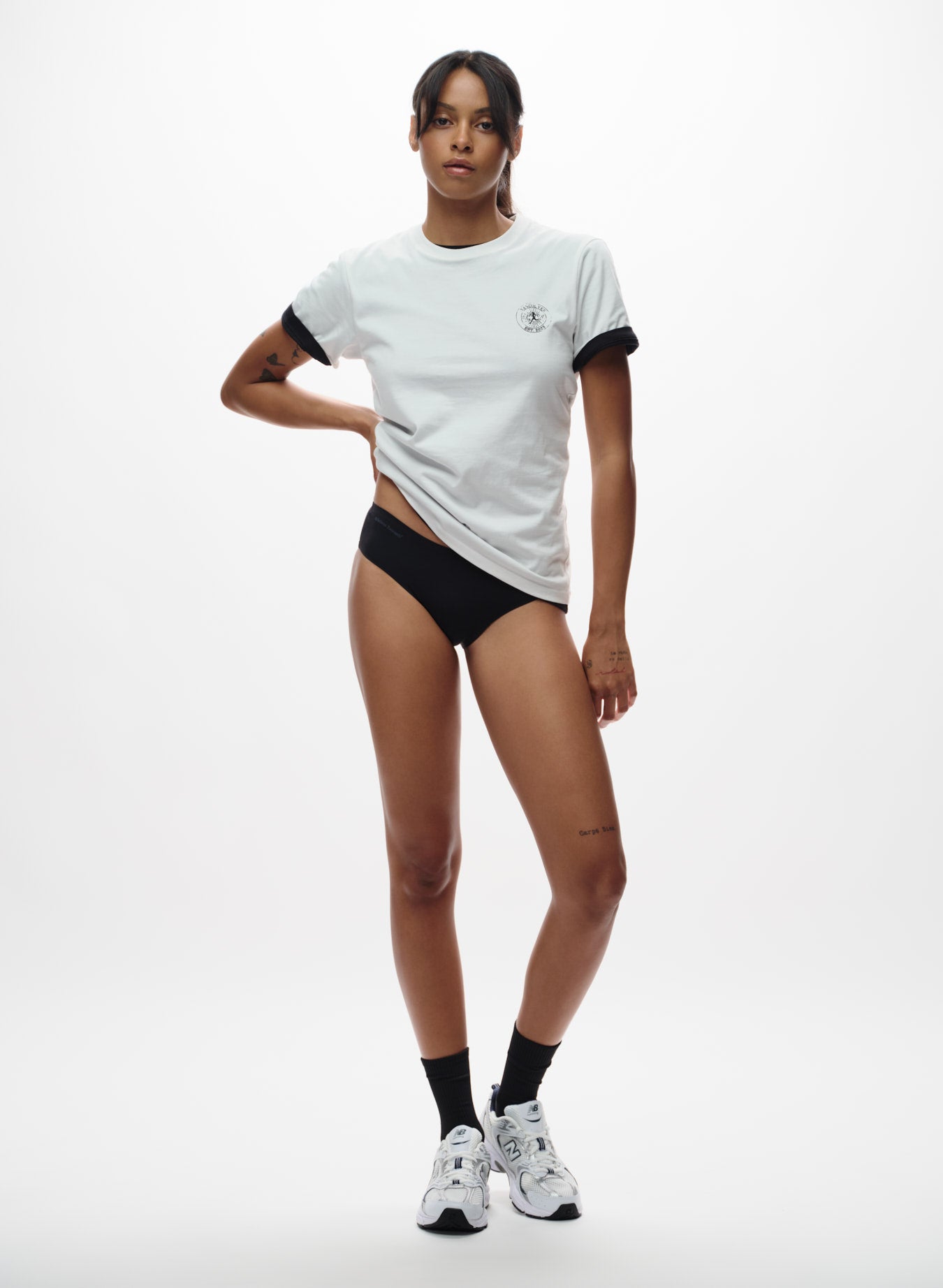
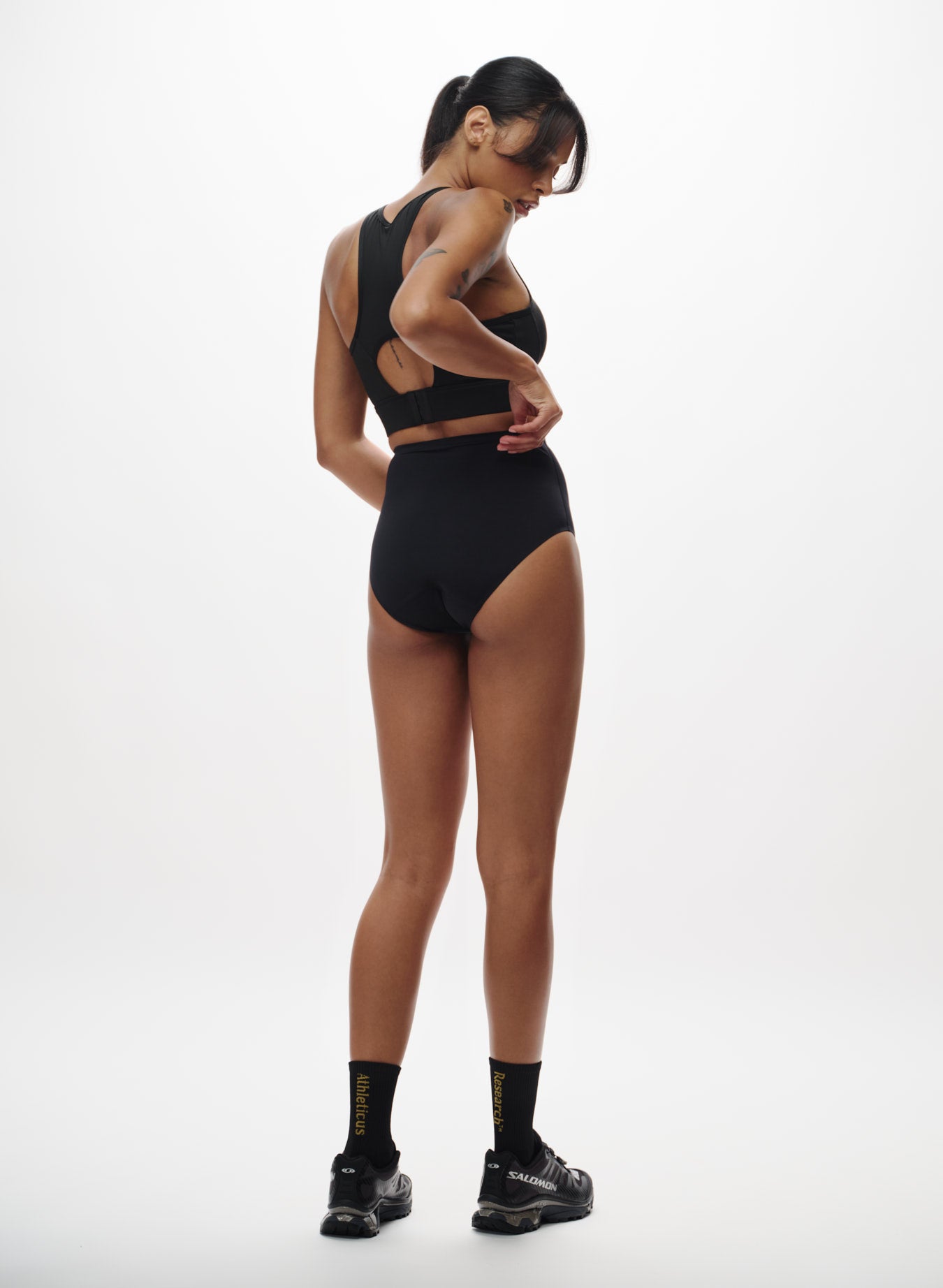
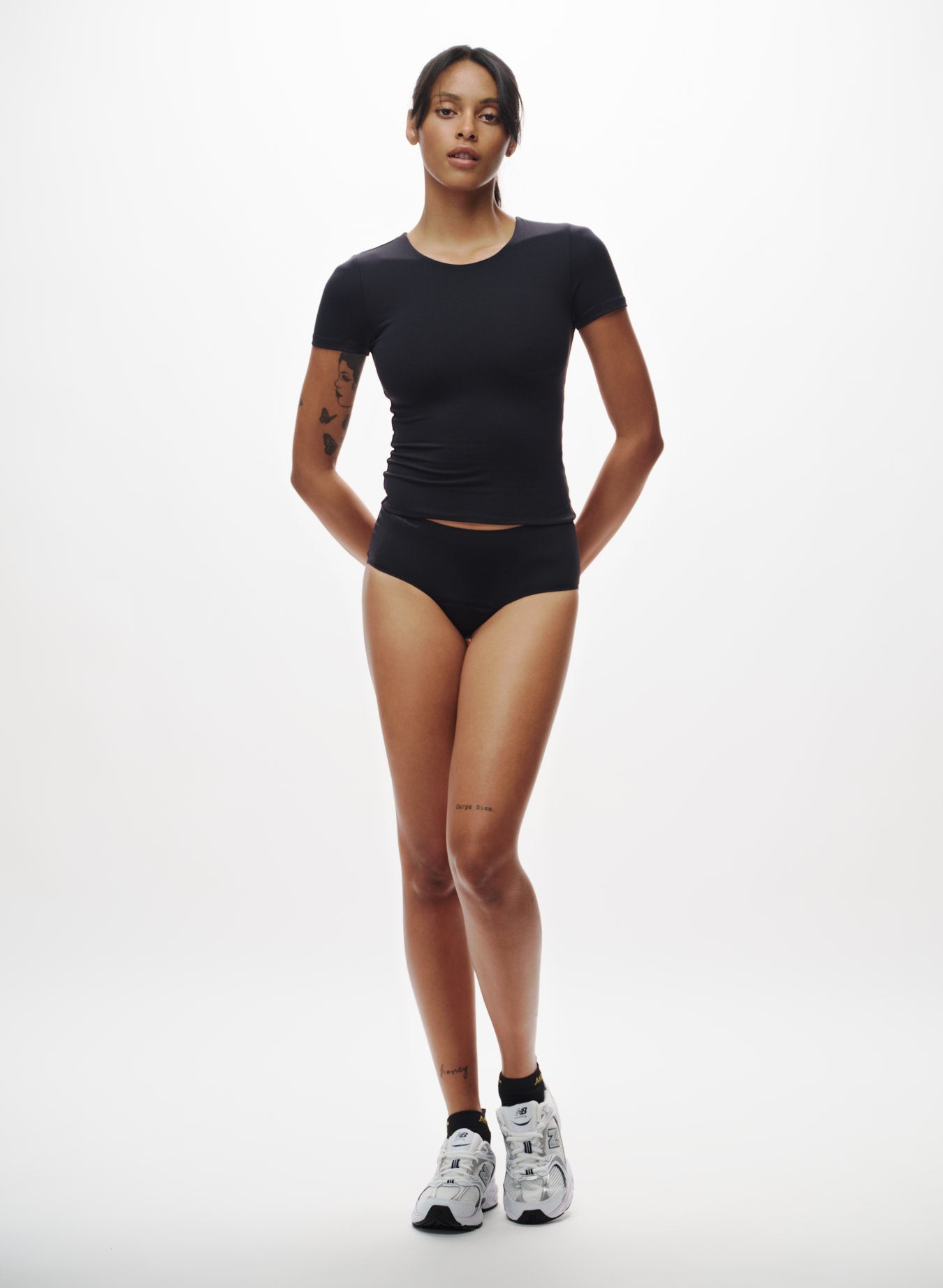
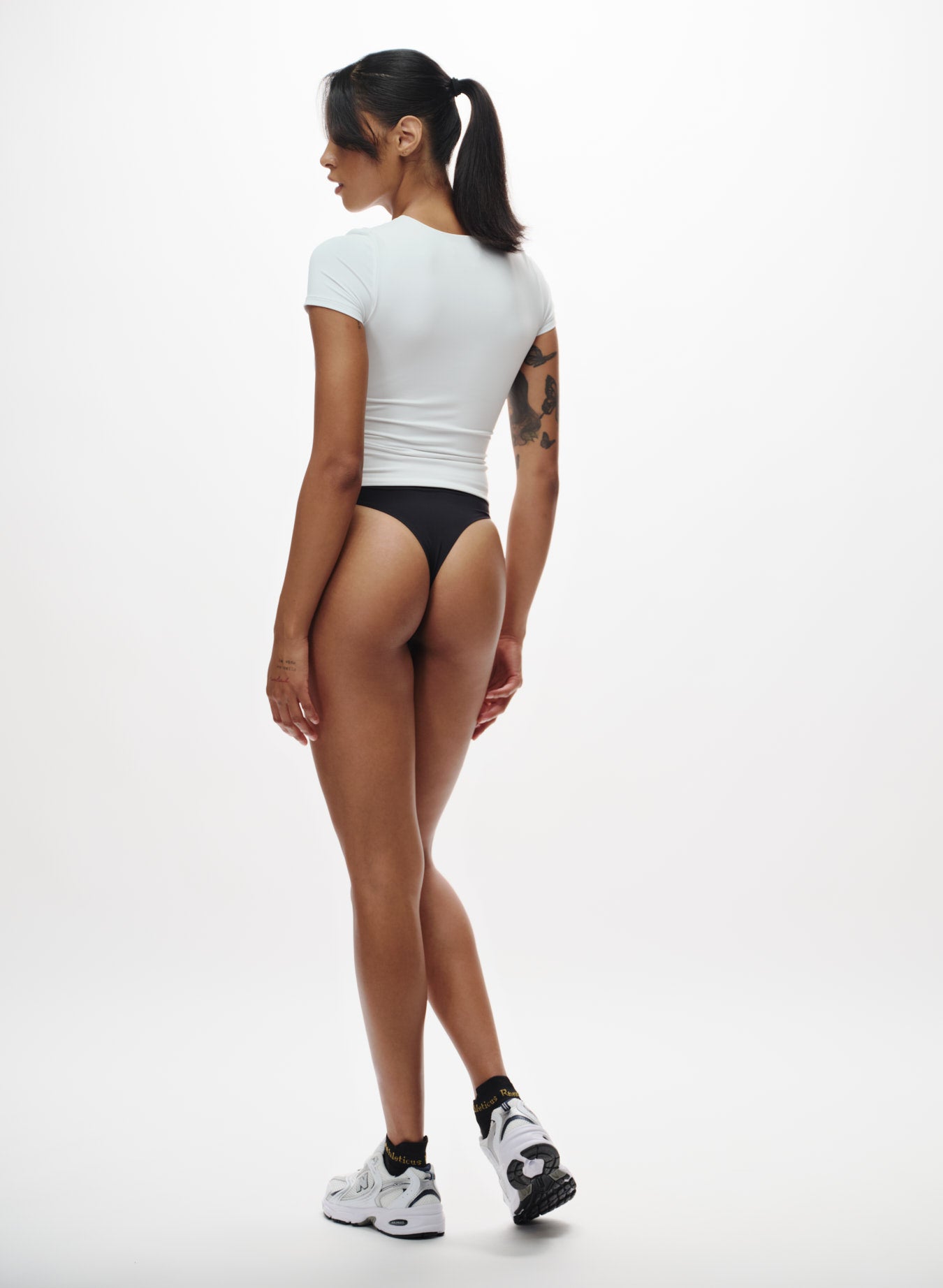
I really love them, especially when my period is lighter. Sometimes, toward the end of my cycle, I don’t want to wear a tampon or use other products, but I also don’t want to worry about staining my underwear. They’re the perfect middle ground for that time. I used to keep a separate set of underwear just for the end of my period, but now I don’t have to do that anymore.